Cultural insights into the psychology of gambling behavior
The Evolution of Gambling Across Cultures
The history of gambling is as diverse as the cultures it permeates. In ancient civilizations, gambling served not only as entertainment but also as a means of decision-making and ritualistic practices. For instance, the Chinese used dice for divination, while ancient Romans engaged in betting on chariot races. This historical perspective reveals that gambling has long been interwoven with human experiences, reflecting societal norms and values. Today, platforms like https://vipzino-uk.com exemplify how modern gaming continues this age-old tradition.

As cultures evolved, so did the forms of gambling. From communal activities in tribal societies to modern casinos, the environment in which gambling occurs has transformed dramatically. Cultural perceptions of luck, fate, and the supernatural significantly influence gambling behaviors. In some cultures, luck is attributed to spiritual entities, while others emphasize skill and strategy. Such beliefs shape how individuals approach gambling, affecting their motivations and expectations.
Understanding these cultural distinctions is crucial for both players and operators in the gambling industry. Recognizing that different societies may have unique attitudes toward risk and reward can inform marketing strategies and game design. For instance, in cultures that place a higher value on community, cooperative gambling experiences may be more appealing compared to individualistic approaches favored in Western contexts.
The Psychological Factors Influencing Gambling Behavior
The psychology behind gambling behavior encompasses various factors, including motivation, emotion, and cognitive biases. Many players are drawn to the thrill of uncertainty and the potential for significant financial gain. This excitement can trigger the release of dopamine, a neurotransmitter linked to pleasure and reward, reinforcing the desire to gamble. Understanding this psychological response is critical for comprehending why individuals often return to gambling despite potential losses.
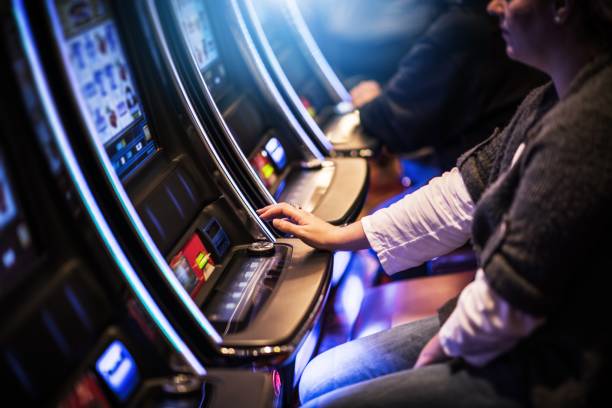
Additionally, cognitive biases, such as the illusion of control, significantly influence players’ decisions. Many gamblers believe that they can influence outcomes through their actions, even in games of pure chance like slots. This misconception can lead to overconfidence and increased gambling frequency. Recognizing these biases can aid in developing responsible gaming practices that educate players on realistic expectations and healthy behavior.
Emotional states also play a significant role in gambling decisions. For some, gambling serves as an escape from stress or negative emotions. This coping mechanism may lead individuals to gamble more frequently or riskier amounts when feeling down. Hence, understanding the psychological triggers behind gambling behavior can assist in creating supportive environments that promote healthy gaming habits and reduce the risks associated with problem gambling.
The Role of Social Influences in Gambling
Social influences heavily shape gambling behavior, often acting as catalysts for participation. Peer pressure and socialization within specific groups can encourage individuals to engage in gambling activities. For example, the prevalence of gambling in certain social circles can normalize the behavior, making it more acceptable and even desirable. This social acceptance can enhance the perceived excitement and enjoyment associated with gambling.
Furthermore, family background and upbringing can significantly impact one’s attitude towards gambling. In cultures where gambling is viewed as a leisure activity or a rite of passage, individuals may be more inclined to participate. Conversely, in societies where gambling is stigmatized, individuals may feel a sense of shame or guilt when engaging in such activities, leading to secrecy and potential negative consequences.
Moreover, social media has become a new frontier for gambling behavior. Online platforms can create a virtual community where individuals share their experiences and successes. This connectivity can amplify gambling activities as users are more likely to emulate behaviors they observe in their online circles. Understanding these social dynamics is essential for developing targeted interventions that promote responsible gaming and address the potential for gambling-related harm.
Cultural Attitudes Towards Gambling: Acceptance vs. Stigmatization
Cultural attitudes towards gambling vary widely, influencing how individuals engage with gambling activities. In some cultures, gambling is celebrated and integrated into social events, while in others, it is viewed as morally questionable or even illegal. This dichotomy shapes the overall landscape of gambling behavior and informs policies surrounding the industry. For instance, countries with a more accepting stance on gambling often provide structured regulatory frameworks, ensuring player safety and promoting responsible practices.
Conversely, societies that stigmatize gambling may inadvertently foster secrecy and irresponsible behavior. Individuals in such cultures may gamble in hidden settings, leading to unregulated experiences that can exacerbate gambling-related problems. This tension highlights the need for educational initiatives that address cultural misconceptions and promote healthy attitudes towards gambling. By fostering open discussions about risks and responsible practices, society can reduce stigma and encourage informed choices.
Moreover, the acceptance or rejection of gambling within a culture often correlates with broader social values. For example, cultures prioritizing individual achievement may view gambling as a pursuit of personal success, while collectivist societies may emphasize communal well-being over personal gain. Understanding these cultural contexts is vital for both players and operators in crafting appropriate messaging and promoting responsible gambling behavior.
Exploring Vipzino Casino: A Premier Online Gaming Experience
Vipzino Casino represents a modern evolution in the gambling landscape, catering specifically to the needs of UK players. With an extensive selection of over 5,000 games, including a wide variety of slots and table games, Vipzino provides an engaging platform that prioritizes user safety and enjoyment. The casino’s commitment to responsible gaming practices ensures that players can explore their favorite games within a secure and supportive environment.
Offering generous bonuses and seamless banking features, Vipzino Casino enhances the overall gaming experience for its users. Players can enjoy fast payouts and access to a dedicated customer support team available 24/7, ensuring their queries are addressed promptly and efficiently. This level of service and attention to detail fosters a welcoming atmosphere that encourages players to engage more deeply with the platform.
In conclusion, Vipzino Casino embodies the intersection of cultural understanding and modern gaming practices. By acknowledging the diverse psychological and social factors influencing gambling behavior, the casino creates a tailored experience that resonates with players. Whether one is seeking excitement or a sense of community, Vipzino provides a dynamic online environment that enhances the thrill of gaming while promoting responsible play.
Deixe um comentário